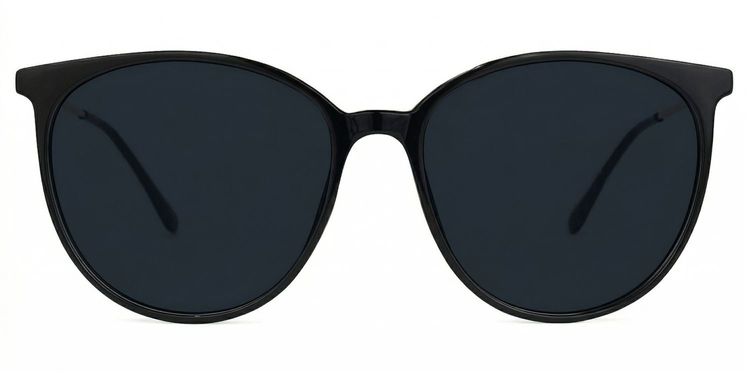
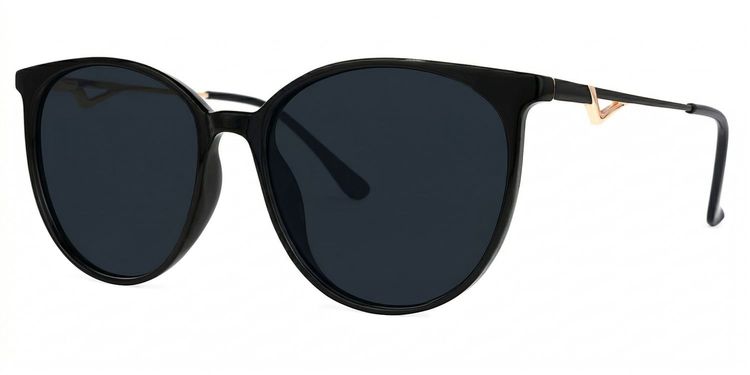
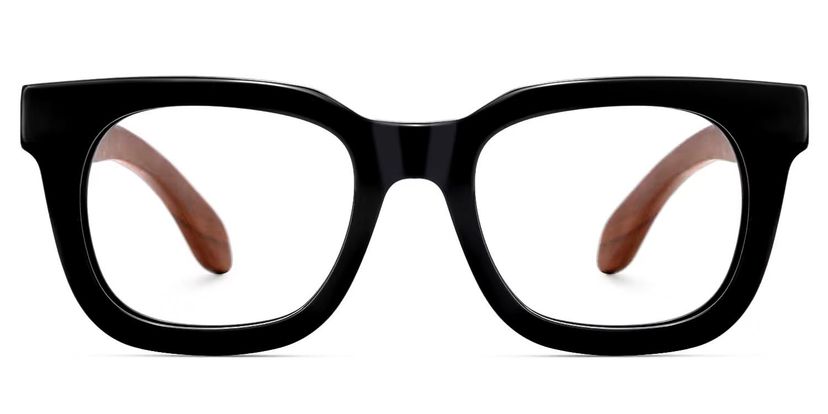
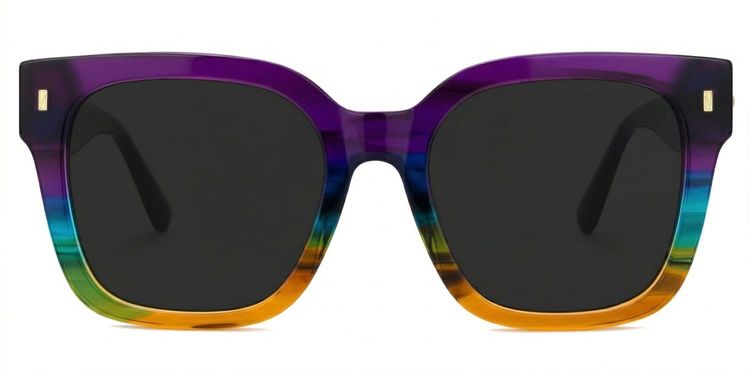
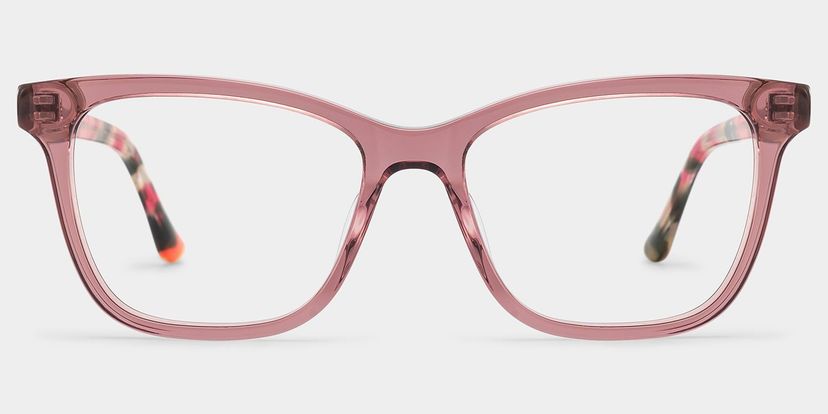
What are narrow glasses?
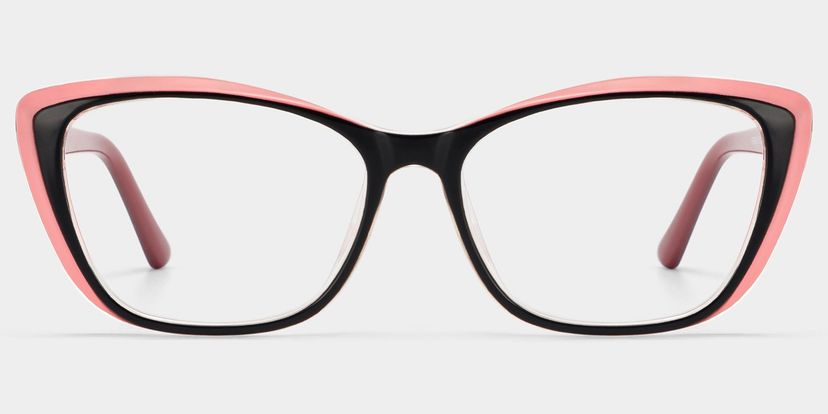
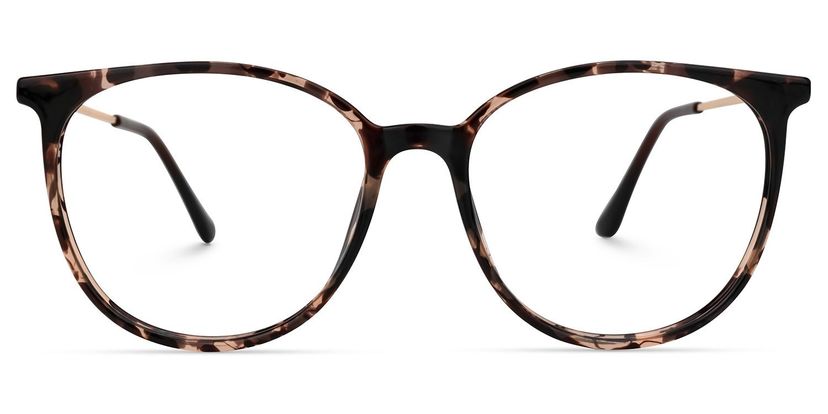
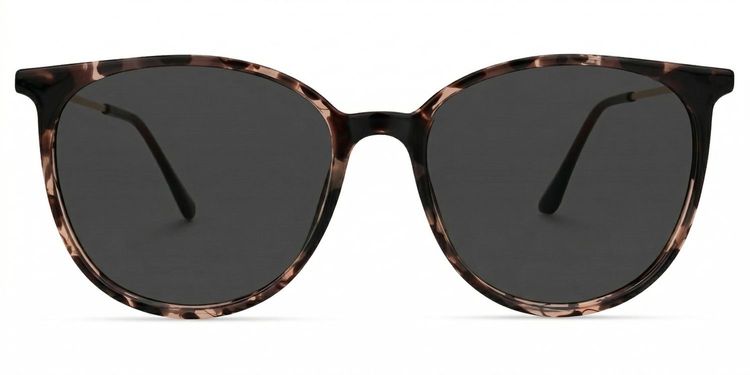
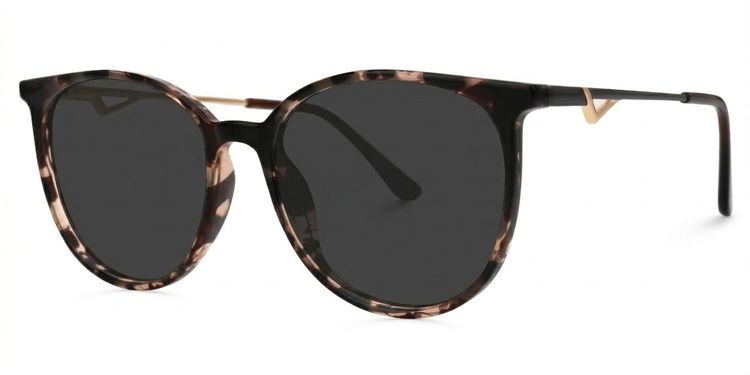
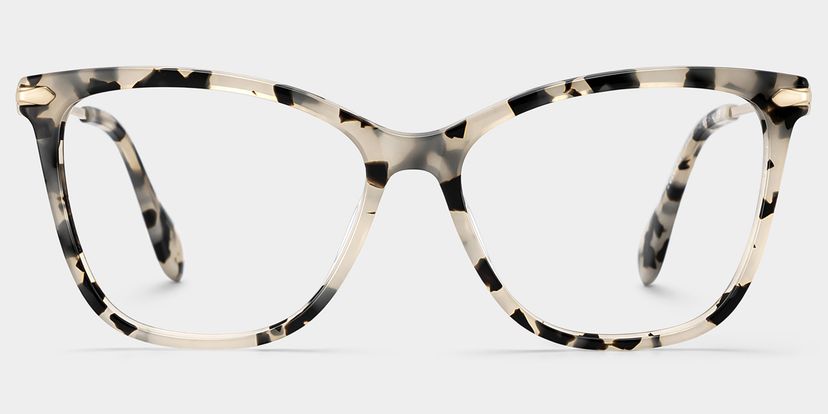
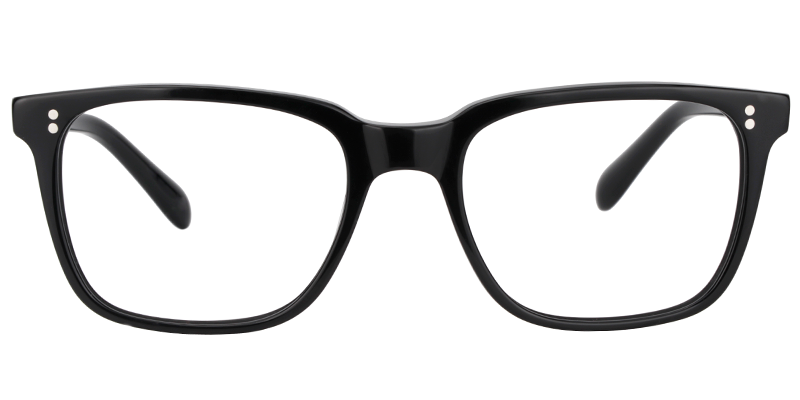
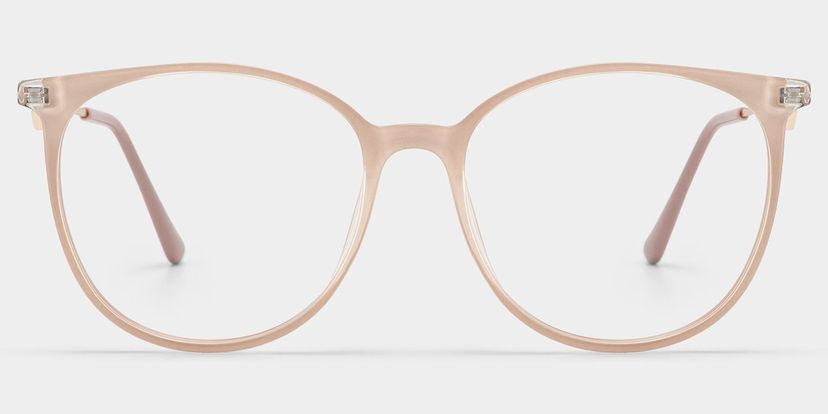
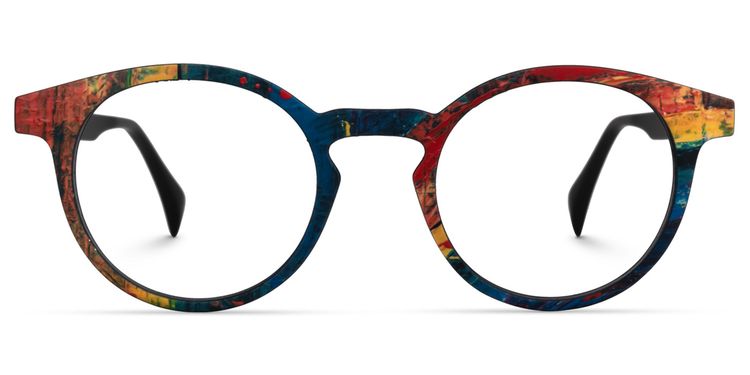
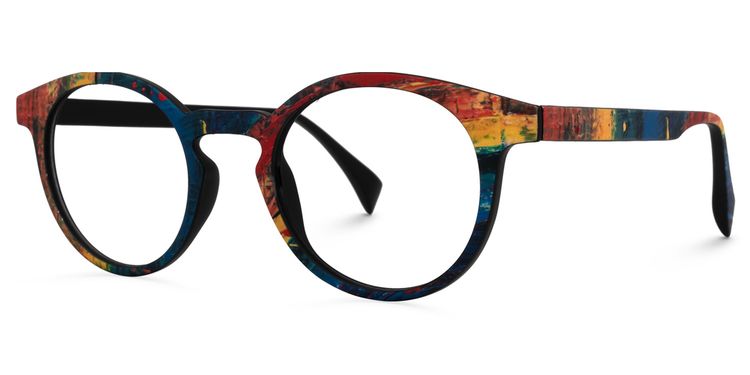
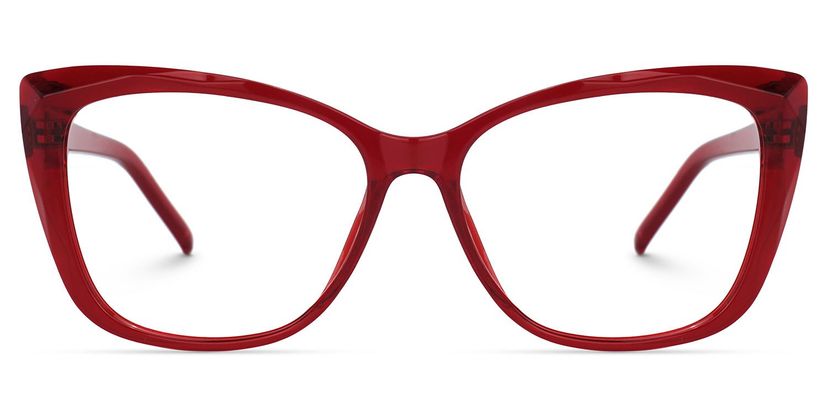
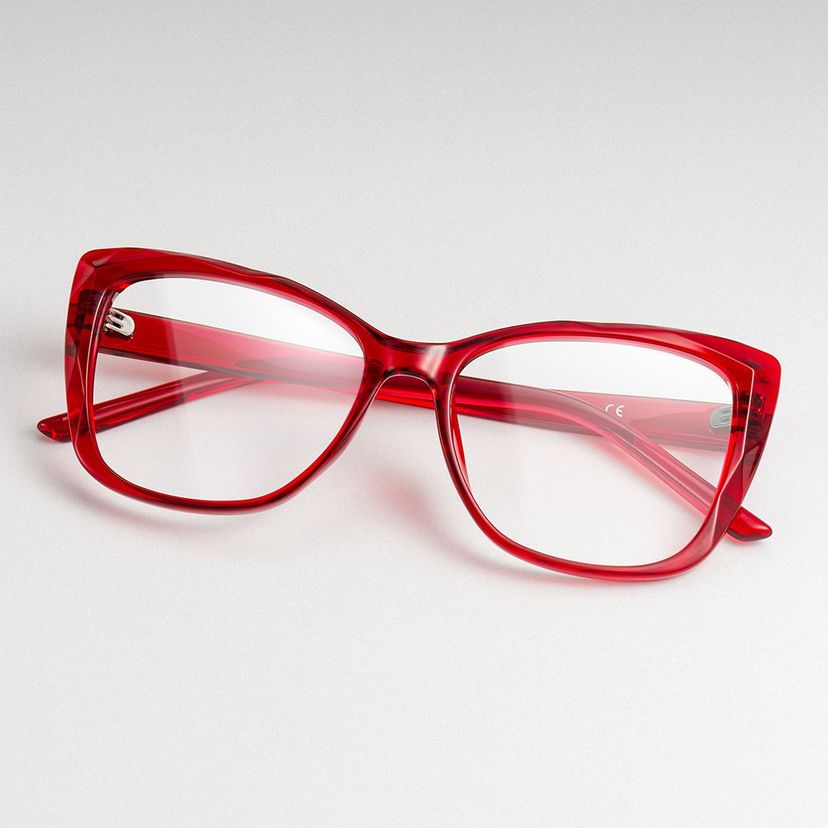
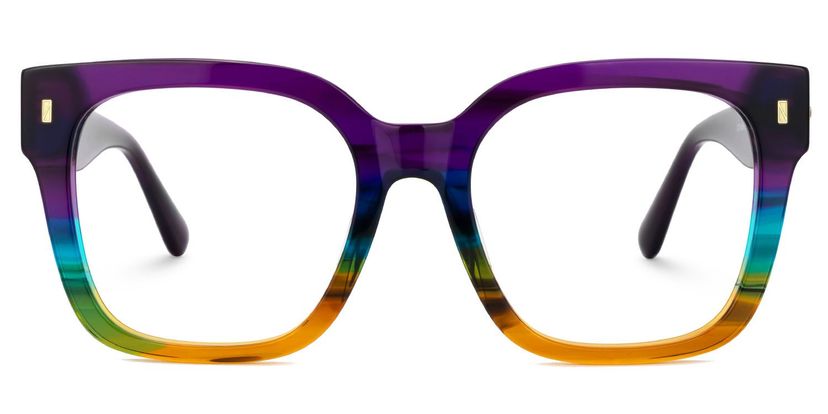
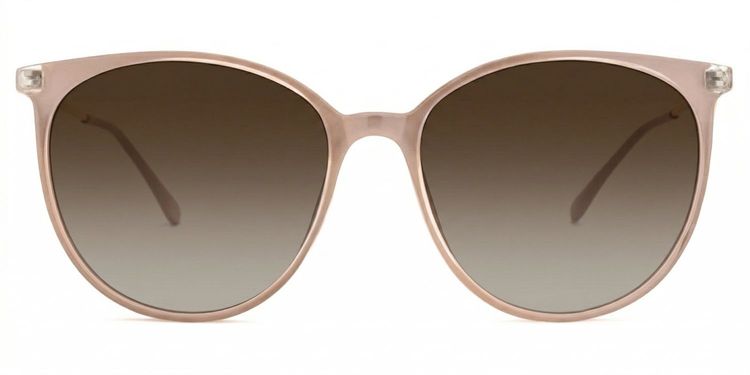
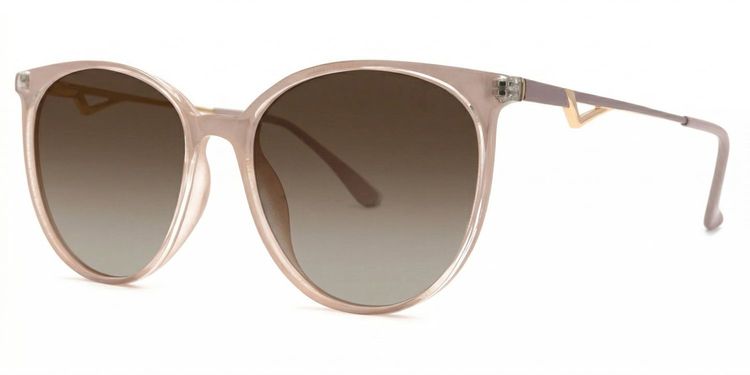
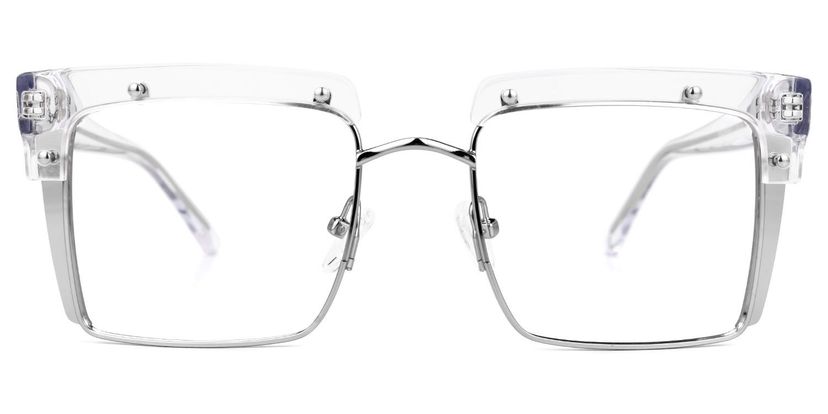
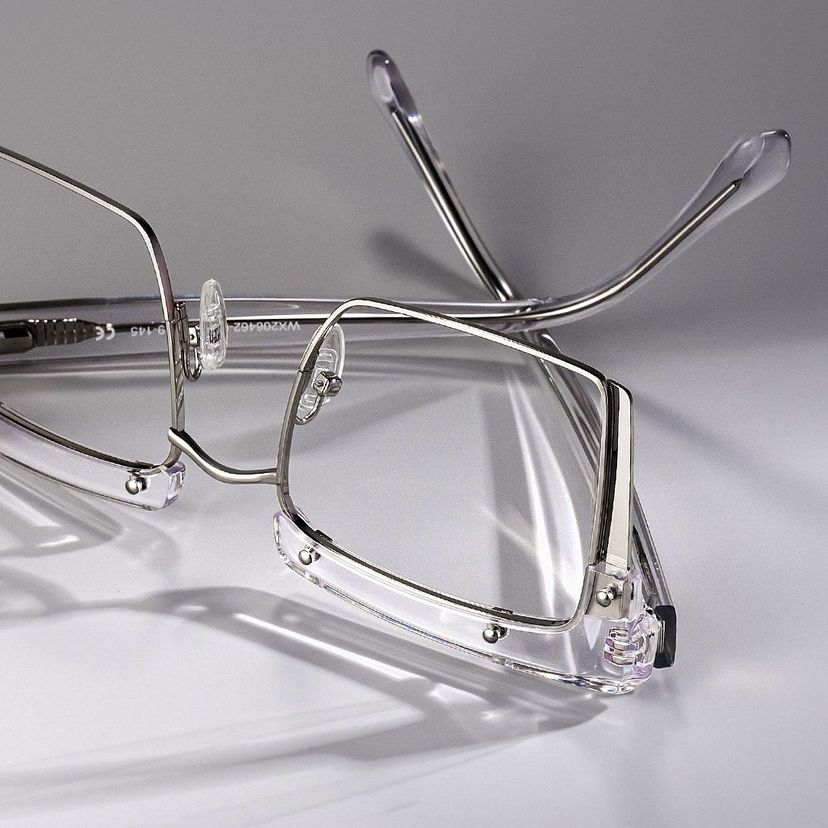
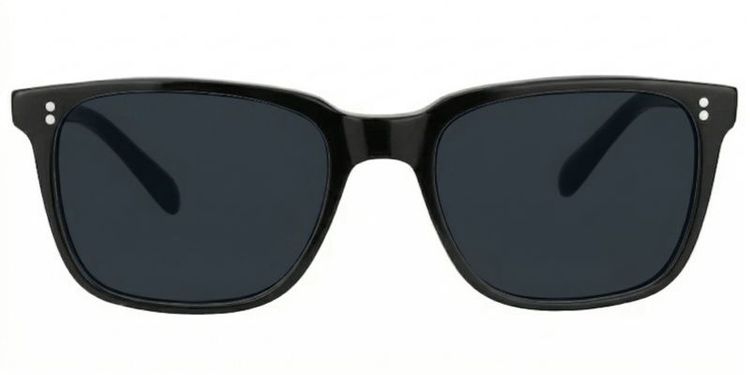
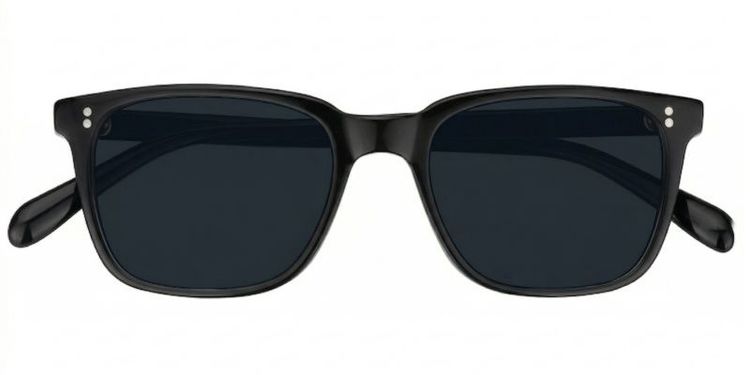
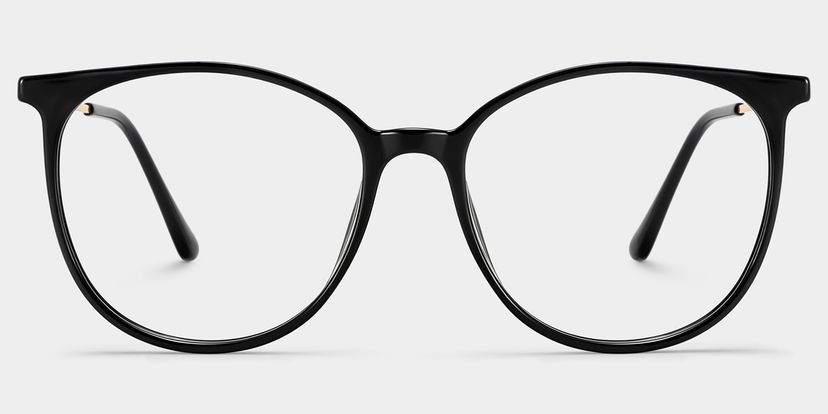
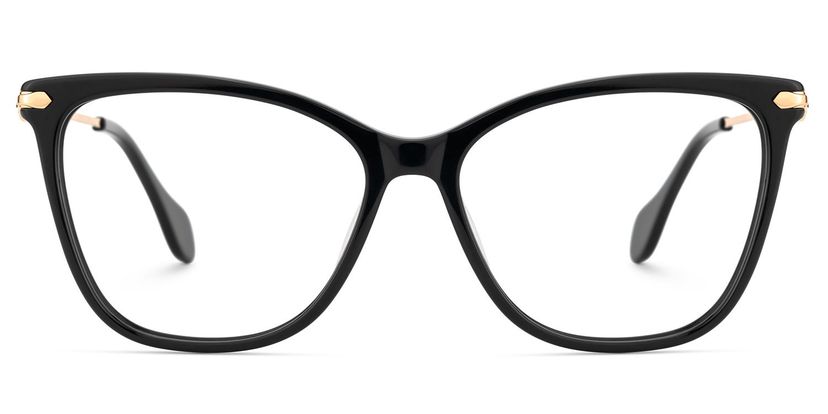
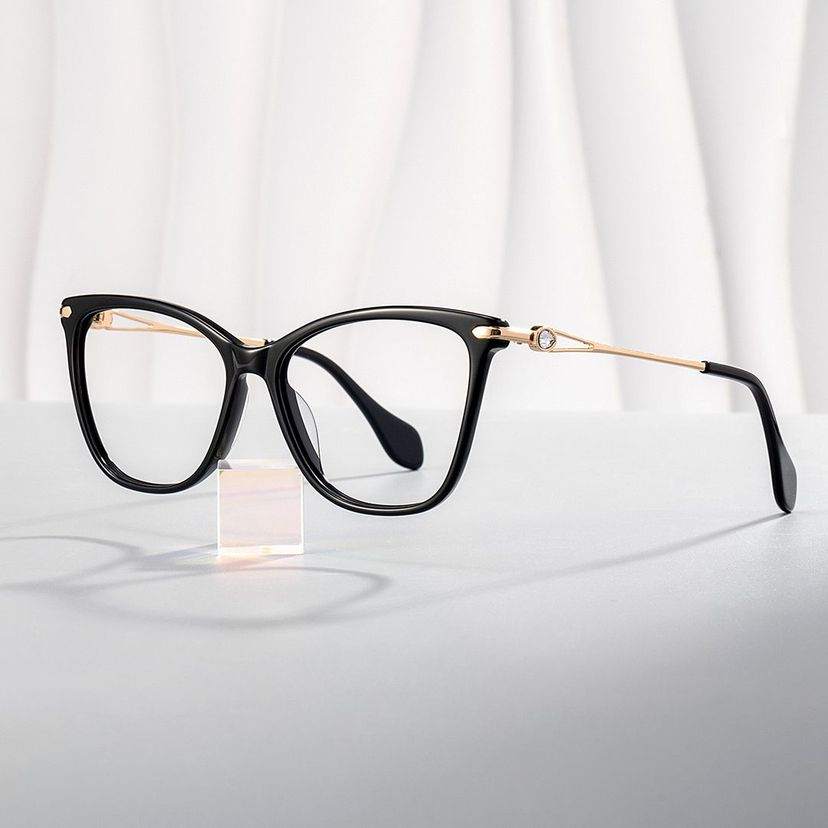
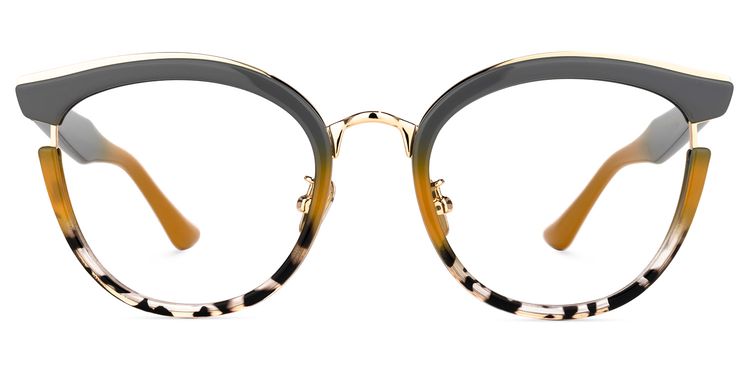
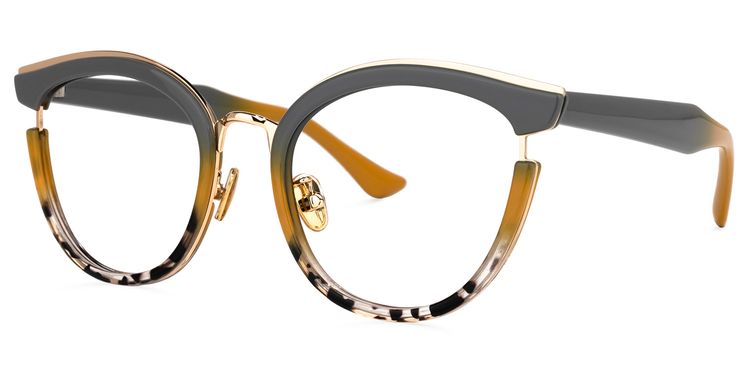
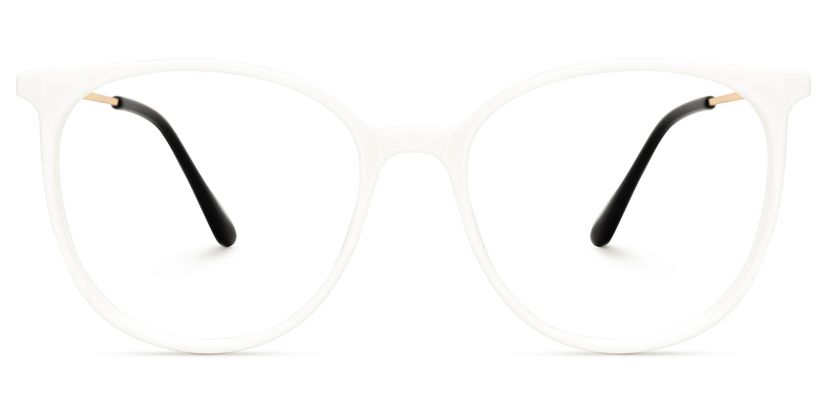
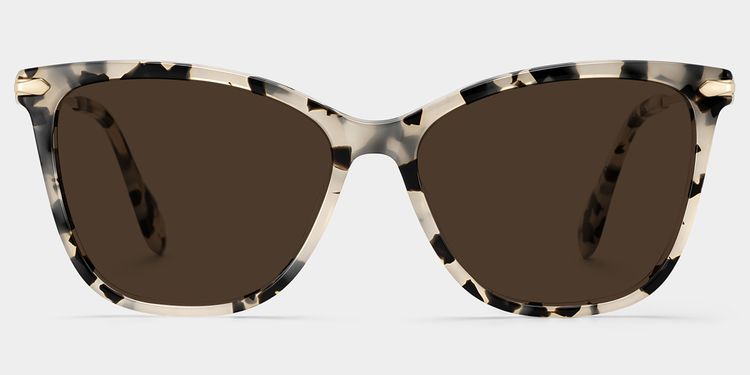
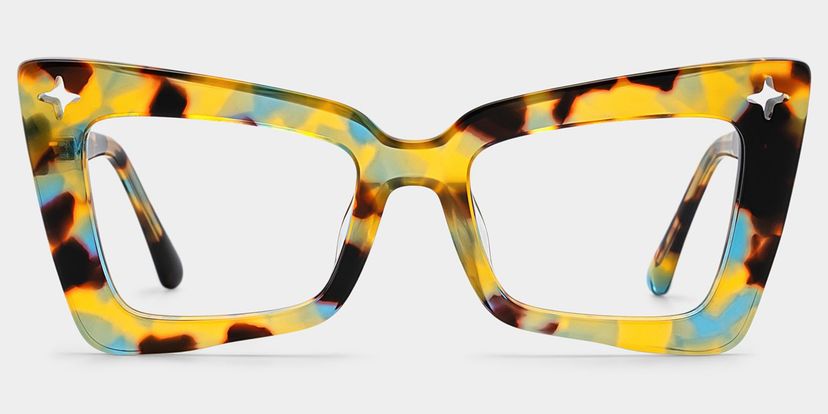
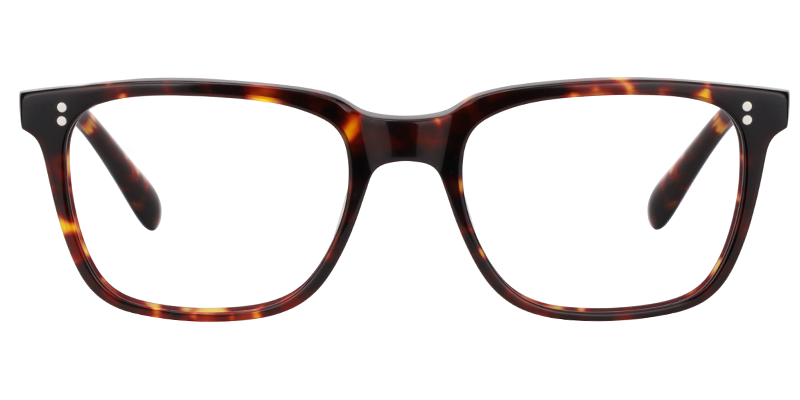
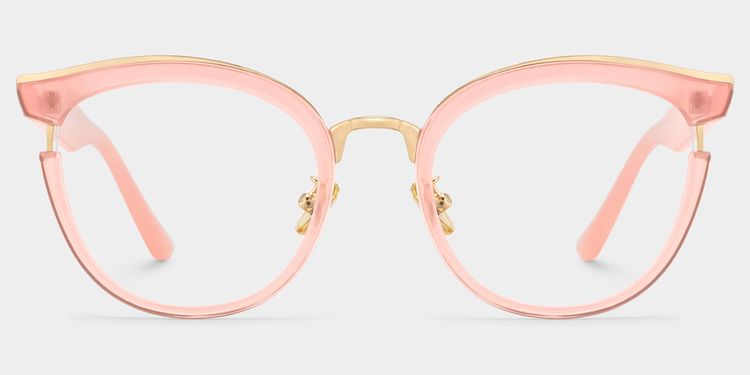
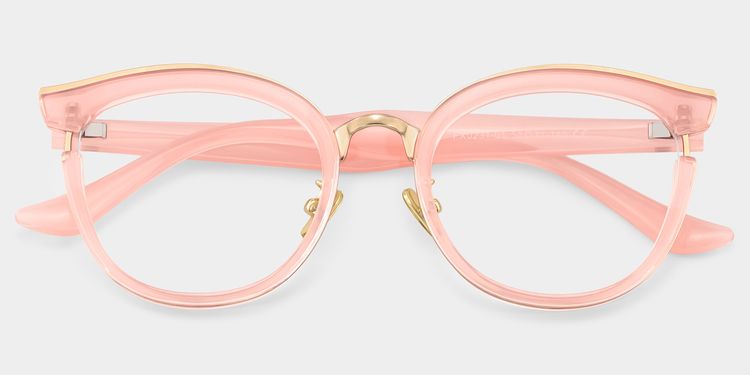
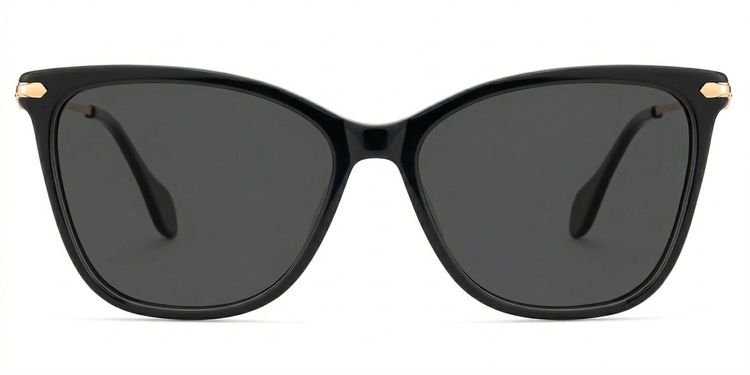
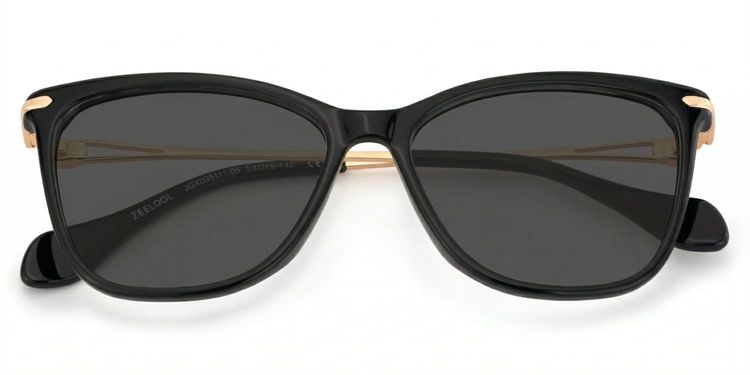
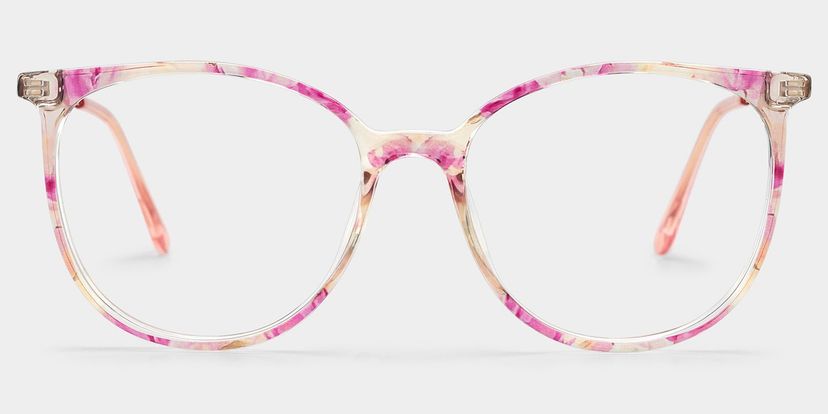
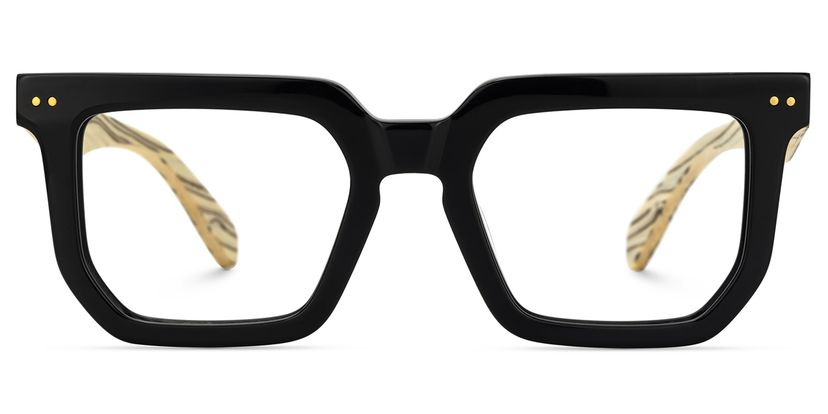
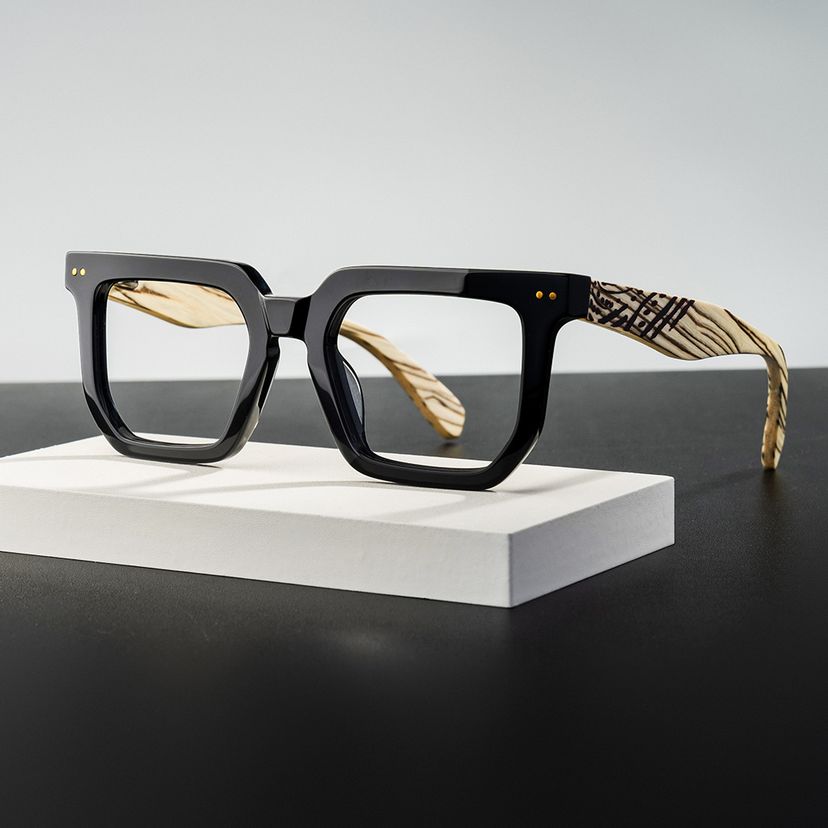
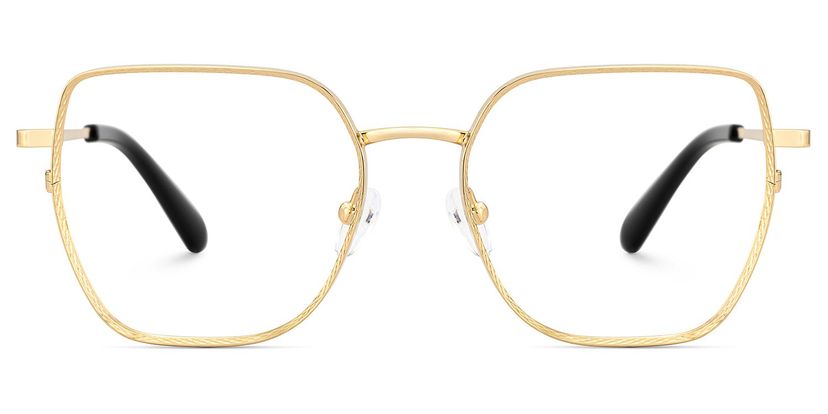
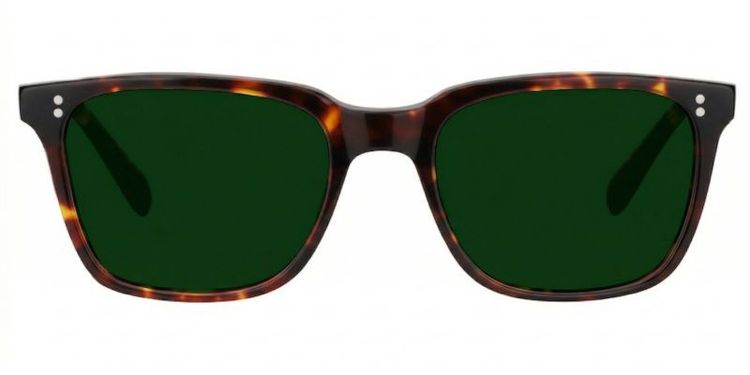
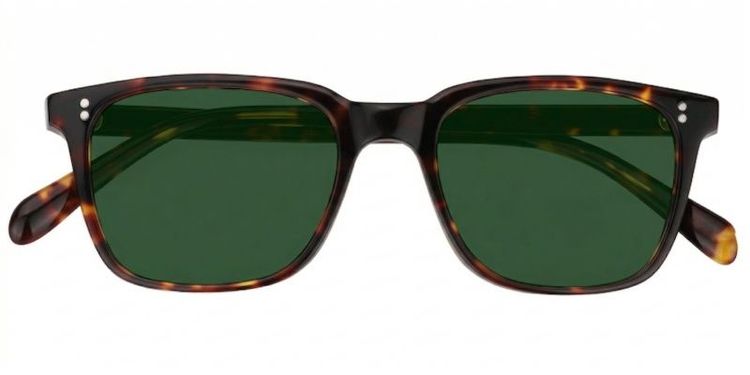
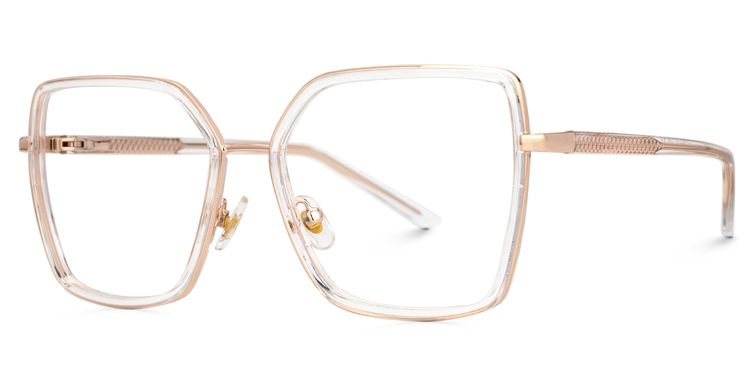
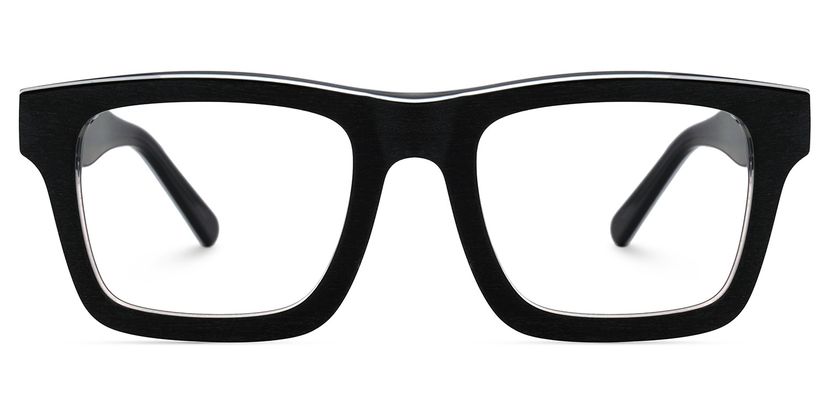
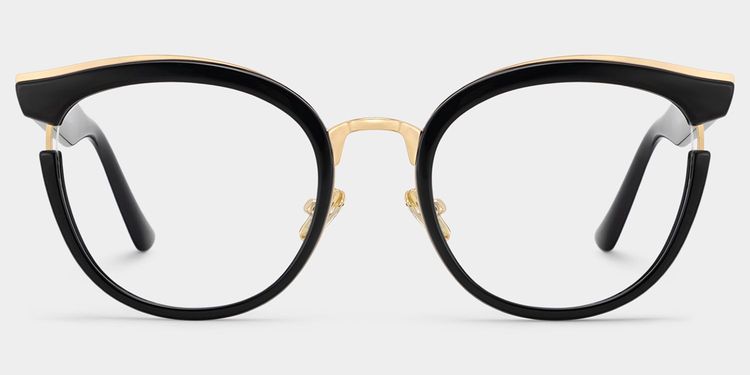
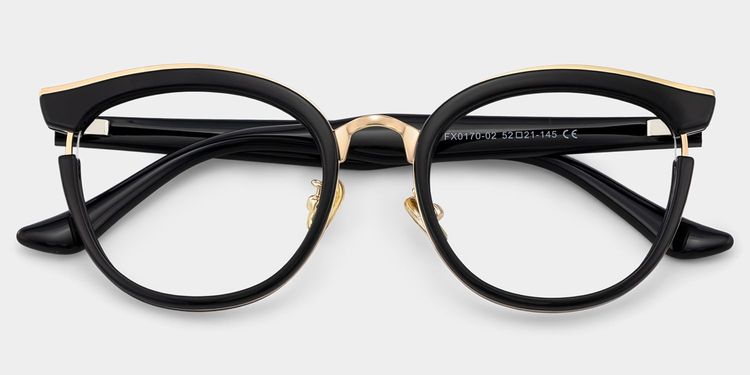
Narrow glasses are eyeglass frames with a more compact overall width and smaller-scale proportions than standard frames. They are designed to sit more naturally on small, thin, or narrow faces, so the frame front does not extend too far beyond the sides of the face. A well-proportioned narrow frame can help the temples sit straighter, keep the eyes better centered in the lenses, and create a more balanced look. Narrow does not describe one particular style: narrow eyeglass frames can be rectangle, oval, round, square, cat-eye, or rimless.
Who should choose narrow eyeglass frames?
Narrow eyeglass frames are worth considering if regular frames look too wide, slide frequently, extend beyond your temples, or make your eyes appear too close to the inner edges of the lenses. They are also a useful starting point for people with petite features, narrow-set eyes, or a long narrow face. Fit is personal, however, so use the size of a current comfortable pair as your benchmark instead of relying only on a small-face label.
How do I know whether narrow glasses will fit?
Check the measurements printed inside a pair that already fits you well, then compare its lens width, bridge width, temple length, and total frame width with the product measurements. The frame front should be close to the width of your face, the bridge should stay in place without pinching, and the temple arms should travel back without bowing sharply outward. For narrow fit glasses, total frame width is especially helpful because two frames with the same lens width can fit differently when their bridge and hinges are shaped differently.
What are the best glasses for a long narrow face?
For a long narrow face, choose a frame that is compact enough in overall width but has enough lens height to add visual balance. Oval, softly rounded, cat-eye, and moderately deep rectangle shapes can work particularly well. If you want the face to appear shorter, avoid extremely shallow rectangles and look for a frame with a stronger brow line or a little more vertical depth. Color and detail at the temples can also draw attention outward without requiring an overly wide frame.
What is the difference between a narrow frame and a narrow bridge?
Frame width describes the full front of the glasses, while bridge width describes the space between the lenses where the frame rests on the nose. A person can need narrow glasses but not a narrow bridge, or the reverse. If the overall frame looks proportional but keeps slipping, focus on bridge shape and fit. Glasses for a narrow nose bridge should sit securely without resting too low, while adjustable nose pads can provide more flexibility on certain metal styles.
Can narrow glasses be made with prescription or blue-light lenses?
Many narrow glasses can be paired with prescription lenses, and selected styles may also support blue-light-filtering options. Choose a narrow prescription frame that matches your measurements first, then review the lens choices available on the product page or during checkout. Keeping both frame fit and lens needs in mind is important: a comfortable narrow frame should support everyday vision without feeling loose or visually overpowering.
How can I tell if my glasses are too narrow?
Glasses may be too narrow if the temple arms bow outward, the hinges feel strained, the frame leaves pressure marks at the sides of your head, or the lenses sit noticeably closer together than your eyes. A frame can also feel tight even when the bridge fits correctly. In that case, compare the total width with a medium-size option. The right fit should feel secure, but it should not pinch or require the frame to flex around your face.
 Buy 1, get 50% off on additional frames
 Configure Your Glasses
 Select Your Frames
 Select Lenses
 Customize Your Lenses
 Complete the Order
 GIFTX 0